Upholstery cleaning in West Acton for Victorian homes
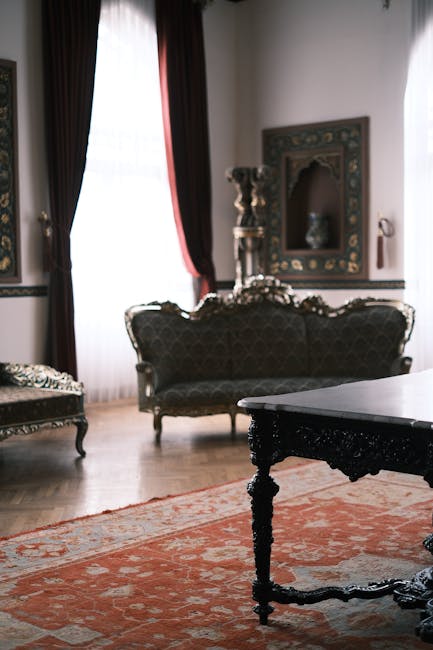
Victorian homes have a character all their own. High ceilings, bay windows, decorative mouldings, and furniture that has usually seen a few chapters of family life. That charm is lovely, but it also means upholstery cleaning in West Acton for Victorian homes needs a more careful hand than a quick once-over. Old fabrics, horsehair stuffing, buttoned backs, carved frames, and age-related wear can all change how a sofa, armchair, or ottoman should be cleaned.
If you are trying to keep period furniture looking dignified rather than tired, the detail matters. A good clean should remove dust, spills, pet hair, and everyday grime without stressing delicate fibres or leaving damp trapped inside. In practice, that means choosing the right method, testing before treating, and understanding how older interiors behave. Below, you will find a straightforward guide to what works, what to avoid, and how to protect upholstery in a Victorian property without turning the job into a drama. Because, let's face it, no one wants a beautiful chaise longue to end up looking worse after "cleaning".
Table of contents
- Why it matters
- How the cleaning process works
- Key benefits and practical advantages
- Who this is for and when it makes sense
- Step-by-step guidance
- Expert tips for better results
- Common mistakes to avoid
- Tools, resources and recommendations
- Law, compliance, standards, or best practice
- Options, methods, or comparison table
- Case study or real-world example
- Practical checklist
- Conclusion
- Frequently asked questions
Why Upholstery cleaning in West Acton for Victorian homes Matters
Victorian properties tend to hold onto dust in places you do not immediately see. Fabric furniture does the same. If a room has been lived in for years, upholstery becomes part of the home's air, not just its decor. It catches cooking odours, city dust, skin oils, pet hair, pollen, and the occasional tea spill. Over time, that builds up in a way that makes furniture look flat and feel less fresh.
In West Acton, many homes combine period features with busy modern family life. So the upholstery is often doing a lot of work: children climbing on sofas, guests visiting, shoes kicked off in the hallway, pets jumping up when nobody is looking. The result is predictable enough. Armrests darken, cushions lose their bounce, and fabrics start to smell a bit lived-in. Not dirty as such, just a bit... tired.
Victorian furniture and period-style sofas also deserve a different level of care because older materials can be more vulnerable to shrinkage, colour bleed, water marks, or fibre distortion. A stronger chemical does not equal a better clean. In fact, with historic homes, a gentler and more informed approach usually gives the best finish.
There is also the question of value. Well-maintained upholstery makes a room feel cared for, which matters whether you are preserving a family sitting room, preparing for guests, or simply wanting your home to feel calmer. A freshly cleaned sofa can change the whole tone of a room. It sounds small. It isn't, really.
How Upholstery cleaning in West Acton for Victorian homes Works
The process starts long before any machine is switched on. First comes identification: fabric type, construction, staining, age, and whether the piece is a modern replacement or an original period item. That inspection is important because the cleaning method should be chosen around the upholstery, not the other way round.
Most professional upholstery cleaning follows a careful sequence:
- Inspection and fibre check - looking at the material, seams, labels, backing, and any weak areas.
- Dry soil removal - vacuuming thoroughly to remove dust, crumbs, hair, and grit trapped in the weave.
- Spot treatment - testing a safe solution on a hidden area before treating marks.
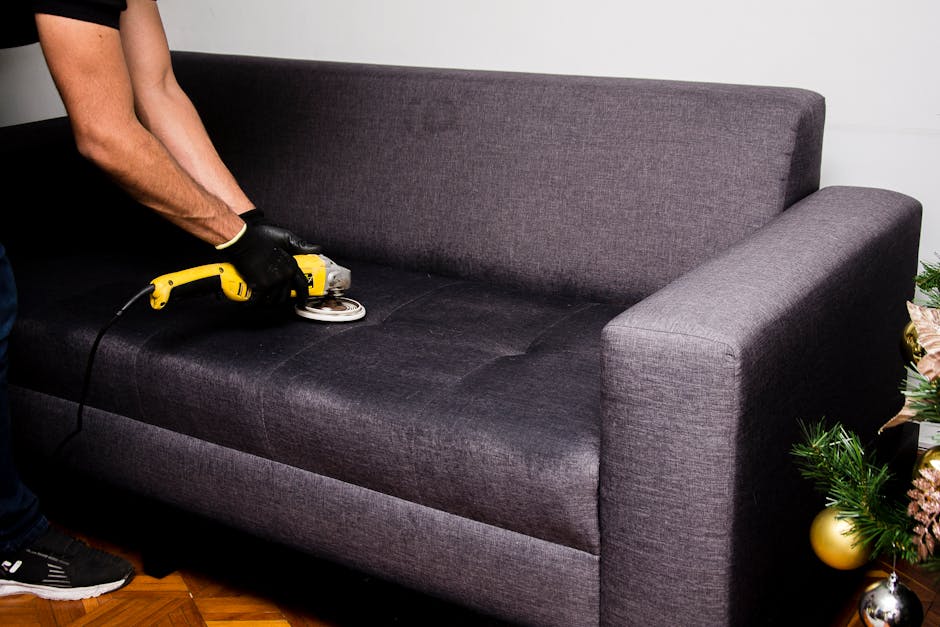
- Main clean - using a suitable method such as low-moisture extraction, controlled steam cleaning, or specialised upholstery treatment.
- Detail work - focusing on arms, headrests, seams, piping, and button tufting where dirt gathers most.
- Drying and finishing - ensuring airflow and checking that the fabric dries evenly.
That last part matters more than people think. Victorian homes can have cooler rooms, deeper skirting, heavy curtains, and limited airflow in corners. Lovely for atmosphere, not always ideal for drying. If fabric stays damp too long, you risk odour, residue, or a rough finish. A good cleaner will plan for that from the start.
For delicate upholstery, the best approach may be a controlled low-moisture method rather than soaking or aggressive steam. Some fabrics respond beautifully to hot water extraction. Others absolutely do not. The right call depends on the material, not on a one-size-fits-all promise.
Key Benefits and Practical Advantages
Upholstery cleaning is not just about appearance, although that is the first thing most people notice. A proper clean can improve the feel of the room, reduce allergens caught in fibres, and extend the life of the furniture. In older homes, that combination is especially useful because replacement pieces often do not match the character of the room, and good period-style furniture can be expensive to restore.
- Better indoor freshness - old fabric traps smells from pets, cooking, smoke, and general living.
- Longer upholstery life - regular care helps reduce wear caused by grit and embedded soil.
- Improved appearance - colours often look brighter once the surface grime is removed.
- More comfortable living space - you notice it when you sit down; the room feels lighter.
- Reduced allergen build-up - useful for households with children, pets, or seasonal sensitivities.
- Protection for period interiors - careful cleaning helps preserve the overall feel of a Victorian room.
There is also a practical side that is easy to overlook: cleaning can reveal damage early. Loose stitching, failing padding, weakened fabric, and old stains often become more obvious once the surface dirt is removed. That gives you a chance to repair rather than replace. A small thing, but useful.
Expert summary: In Victorian homes, the goal is not to "blast away" dirt. The goal is to remove contamination safely, preserve the fabric, and leave the furniture looking naturally refreshed rather than overworked.
If your home already uses other specialist cleaning services, it can make sense to coordinate them around the same maintenance rhythm. For example, many households pair upholstery care with sofa cleaning, curtain cleaning, or even deep cleaning when the whole room needs a reset.
Who This Is For and When It Makes Sense
This service makes sense for a wide range of West Acton homeowners and tenants, but it is especially useful in homes where the furniture is part of the property's character. If your Victorian house has an original wing chair, a family sofa with sentimental value, or fabric dining chairs that have seen better days, cleaning is usually the first sensible step before thinking about replacement.
You may benefit from upholstery cleaning if you are:
- living in a Victorian terrace, semi-detached, or converted period property
- dealing with tea, wine, food, ink, or pet-related marks
- trying to remove musty or stale odours from older seating
- refreshing furniture before guests, family events, or photos
- moving in and wanting the place to feel properly yours
- preparing a rental home for the next occupants
- looking after antique or heritage-style pieces with care
It also makes sense after a long winter. To be fair, that is when many upholstered rooms start to show their age most clearly. Closed windows, heating, wet coats, muddy shoes, and endless indoor time all leave a mark. By spring, people notice the difference. They always do.
If the property is used as a short-term let or regularly receives visitors, upholstery can benefit from more frequent attention. In that case, services such as airbnb cleaning or regular cleaning can help keep the whole home presentable between deeper maintenance visits.
Step-by-Step Guidance
If you are planning the clean yourself, or just want to understand what a professional should be doing, this is the practical sequence to expect. It keeps the job manageable and helps avoid the usual mistakes that cause fabric damage.
- Check the fabric type. Look for care labels and identify whether the upholstery is natural fibre, synthetic, blended, velvet, linen, wool, or something more delicate. If there is no label, treat it cautiously.
- Test a hidden area first. A small patch near the back or underside can show whether the colour will bleed or the pile will react badly.
- Vacuum thoroughly. Use the upholstery attachment and get into seams, folds, and under cushions. This step matters more than people expect.
- Pre-treat stains carefully. Do not scrub hard. Blotting is safer than rubbing, especially on older fabrics.
- Choose the right cleaning method. Low-moisture systems are often safer for delicate Victorian-era pieces, while some modern upholstery can handle more intensive cleaning.
- Control moisture. Too much water can cause rings, shrinkage, or slow drying. In an older house, the room climate matters as much as the fabric itself.
- Dry the furniture properly. Open windows if weather allows, improve airflow, and avoid sitting on the piece until fully dry.
- Review the result. Check seams, buttons, arms, and shaded areas where soil may remain.
If a stain remains after the first treatment, resist the urge to keep attacking it. That is where many jobs go wrong. Patience wins more often than force. A lot more often, actually.
Expert Tips for Better Results
Period homes reward restraint. That is the main lesson. The cleaner who does the least damaging thing, but does it properly, usually gets the best outcome.
- Start with dry soil removal. Dust and grit act like sandpaper over time, so vacuuming is never "just prep".
- Work from the outside of a stain inward. This helps stop marks spreading.
- Use as little moisture as possible on older fabric. Enough to clean, not enough to soak.
- Mind the underframe and woodwork. Victorian furniture often has timber details that should not be over-wet.
- Watch for wick-back. Sometimes a stain reappears as the piece dries because residue moves back to the surface. It's annoying, yes, but predictable.
- Improve airflow in advance. Open doors, use gentle ventilation, and avoid trapping humidity in a closed room.
A small but useful habit: photograph the upholstery before treatment. If a pattern is faded or the fabric is uneven, having a reference helps you spot improvement and avoid unnecessary re-cleaning. It is also handy when you are deciding whether one cushion is worse than the others.
If pet issues are part of the picture, it is worth combining the upholstery clean with pet stain odour removal. Odour trapped in padding usually needs more than surface cleaning, and ignoring it tends to let the smell return later. Nobody wants that on a rainy Tuesday evening.
Common Mistakes to Avoid
Most upholstery problems after cleaning come from haste. Not always, but often enough. Victorian homes are especially unforgiving when too much force, moisture, or guesswork enters the process.
- Using a random household cleaner on a delicate fabric without testing first.
- Scrubbing a stain aggressively and pushing it deeper into the weave.
- Over-wetting the upholstery so the filling stays damp for hours or days.
- Ignoring the furniture's age and treating old fabric like a modern synthetic sofa.
- Forgetting hidden areas such as sides, backs, and underneath cushions.
- Cleaning in a poorly ventilated room and then wondering why the fabric smells musty later.
- Skipping a test patch because the upholstery "looks sturdy". It may look sturdy. It may not be.
Another common mistake is focusing only on the visible face of the furniture. On a Victorian sofa, the back panel, side arms, and skirt can hold a surprising amount of soil. If those areas are neglected, the piece can look uneven after drying. That unevenness is exactly what people notice first.
Tools, Resources and Recommendations
You do not need an enormous kit to care for upholstery properly, but the right tools make a big difference. For homeowners, the aim is usually routine maintenance. For more serious cleaning, specialist equipment is better left to trained operators who understand fabric behaviour.
| Tool or resource | Best use | Why it helps |
|---|---|---|
| Upholstery vacuum attachment | Routine dust and debris removal | Protects fibres while reaching seams and creases |
| Soft brush | Loosening surface dust | Gentler than scrubbing by hand |
| White microfibre cloth | Blotting small spills | Helps you see transfer without introducing colour |
| Fabric-safe spot treatment | Targeted stain care | Useful when used sparingly and tested first |
| Airflow and ventilation | Drying after cleaning | Reduces lingering damp and odour |
If you are arranging a wider home refresh, upholstery care often pairs well with rug cleaning, mattress cleaning, and window cleaning. In a Victorian home, once one surface looks fresh, the rest can suddenly look a bit worse by comparison. That is normal. Slightly rude, but normal.
For service planning, a clear written quote and a transparent explanation of what is included are useful. If you are comparing providers, their pricing and quotes information should help you understand how the job is assessed. It is also sensible to review practical details like payment and security and any relevant terms and conditions before confirming an appointment.
Law, Compliance, Standards, or Best Practice
There is not usually a special legal framework just for upholstery cleaning in a home, but there are still standards and best practices worth following. A professional service should work safely, communicate clearly, and use methods suitable for the material and the property.
In practice, that means looking for the basics: sensible risk awareness, suitable cleaning chemistry, proper equipment handling, and respect for the customer's home. If there are ladders, plugs, or electrical extraction machines involved, the team should be thinking about safety and access, not improvising at the last minute. Good practice beats drama every time.
For householders, one useful principle is to avoid self-treatment that could cause irreversible damage. If a fabric is antique, silk, velvet, heavily dyed, or structurally fragile, caution is the right call. If in doubt, a specialist approach is safer than a hopeful one. There's no prize for guessing.
It is also sensible to work with a company that is open about insurance, safety, and complaints handling. Those pages are not glamorous, but they matter. A service that explains its insurance and safety, health and safety policy, and complaints procedure tends to be more organised overall. That usually reflects how they treat the work itself.
For homeowners who value responsible service, it is also fair to consider recycling and sustainability. Even small things, like efficient water use and sensible product handling, can make a service feel more modern and more thoughtful.
Options, Methods, or Comparison Table
Different upholstery fabrics and conditions call for different methods. There is no single winner. The right choice depends on the material, the soil level, and how much drying time you can realistically allow. Victorian homes often need the gentler end of the spectrum.
| Method | Best for | Advantages | Watch-outs |
|---|---|---|---|
| Vacuum plus spot care | Light maintenance | Fast, low risk, good for routine upkeep | Will not remove deep soil or old stains |
| Low-moisture upholstery cleaning | Delicate or older fabric | Reduced drying time, less risk of oversaturation | May need more detailed follow-up on stubborn marks |
| Hot water extraction | Durable modern upholstery | Strong deep-clean effect on suitable fabric | Too much moisture can be risky for period pieces |
| Specialist stain treatment | Single problem marks | Targets specific issues without full cleaning | Testing is essential; not every stain is removable |
For many Victorian homes, low-moisture or carefully controlled cleaning is the safest starting point. Steam sounds impressive, and sometimes it is appropriate, but "steam" is not a magic word. It still needs judgment, pressure control, and fabric awareness. Truth be told, many of the best results come from restraint, not intensity.
Case Study or Real-World Example
Picture a West Acton family living in a late Victorian terrace with a front room used mainly for evenings and guests. The sofa is older but sturdy, with a patterned fabric that has dulled over the years. One armrest is darkened from daily use, the cushions carry a faint stale smell, and a small tea mark sits near the seam. Nothing catastrophic. Just enough to annoy you every time you sit down.
The sensible approach would be a careful inspection, vacuuming, a hidden test patch, and then targeted cleaning using a moisture-controlled method. The tea mark would be treated first, the armrest cleaned more carefully, and the full sofa refreshed without oversaturating the filling. Afterward, airflow would be improved so the room dries properly. If the home has heavy curtains and wool rugs, a wider room refresh might follow, but only if needed.
The result? The room feels lighter, the fabric looks clearer, and the sofa no longer dominates the space with that faint "old house" smell that somehow arrives even when everything is technically clean. And yes, the family still keeps their throw blanket nearby. Some habits are simply part of the furniture, in every sense.
That kind of outcome is realistic. Not showroom perfection, not magic, just a properly refreshed piece that fits the home again.
Practical Checklist
Use this quick checklist before booking or attempting upholstery cleaning in a Victorian property:
- Identify the fabric type if possible.
- Check for care labels, loose seams, or weak spots.
- Vacuum all surfaces, including creases and under cushions.
- Test any cleaner on an unseen patch first.
- Keep moisture under control.
- Choose a method that suits age and material, not just the stain.
- Plan drying time and ventilation before cleaning starts.
- Ask about insurance, safety, and how complaints are handled.
- Consider whether matching services like sofa, rug, or curtain cleaning would save time.
- Do not sit on the upholstery until it is fully dry.
Small checklist, big difference. It saves a lot of regret later.
Conclusion
Upholstery cleaning in West Acton for Victorian homes is really about balance: respecting older materials, dealing with modern life, and choosing methods that clean properly without overstressing the furniture. In the right hands, it is a careful, satisfying job. The best result is not that the furniture looks brand new. It is that it looks right for the home again.
If you are maintaining a cherished period interior, or simply want your sitting room to feel fresher and calmer, start with the fabric, not the stain. That mindset usually leads to better decisions, better drying, and better long-term results. And when a room is full of character, a thoughtful clean can quietly restore a lot more than appearance.
Get a free quote today and see how much you can save.
Sometimes the smallest refresh makes the whole house breathe a little easier.
Frequently Asked Questions
Is upholstery cleaning safe for Victorian furniture?
Yes, if the method matches the fabric and condition of the piece. Victorian furniture can be more delicate than modern upholstery, so testing and low-moisture care are often the safest options.
How often should upholstery be cleaned in a Victorian home?
It depends on use, pets, children, and room traffic. Many homes benefit from routine maintenance and a deeper clean when visible soil, odour, or staining starts to build up.
Can all stains be removed from old upholstery?
No. Some stains set into fibres, padding, or dyes and may not fully come out. A careful treatment can still improve the appearance, but it is best to treat removal as an outcome, not a guarantee.
What is the best cleaning method for delicate fabric?
Usually a controlled, fabric-specific approach with minimal moisture. The right method depends on the weave, colourfastness, padding, and age of the upholstery.
Will upholstery cleaning leave my room damp?
It should not, if the job is done properly. Good ventilation and careful moisture control are essential, especially in older homes where airflow can be limited.
Can I clean Victorian upholstery myself?
Light vacuuming and careful blotting of small spills are usually fine. But for older or valuable pieces, a professional approach is often safer because the wrong product or too much water can cause damage.
Does upholstery cleaning help with pet smells?
Often, yes. Surface odours and trapped dirt can be reduced significantly. Strong or long-standing smells may need targeted pet stain odour removal as well.
Should I clean my sofa or the whole room first?
If the room has carpets, rugs, or curtains with visible build-up, it can make sense to clean the space as a whole. A single refreshed sofa can look out of place next to dusty soft furnishings.
How long does upholstery take to dry?
Drying time varies by fabric, method, room temperature, and ventilation. Low-moisture methods usually dry faster, while heavier cleaning can take longer. Plan ahead and do not rush it.
What should I ask before booking a cleaner?
Ask about the cleaning method, fabric suitability, insurance, safety procedures, and what happens if a stain does not respond. It is also sensible to check pricing and any terms before confirming.
Is there a difference between sofa cleaning and upholstery cleaning?
Sofa cleaning is a type of upholstery cleaning. Upholstery cleaning covers more than sofas, including armchairs, dining chairs, benches, ottomans, and other fabric-covered furniture.
Can upholstery cleaning help older homes feel less dusty?
Yes, especially if dust and fine debris have built up in the fabric over time. It will not solve every dust source in a Victorian home, but it can make the room feel noticeably fresher.