Carpet cleaning for South Acton estate flats
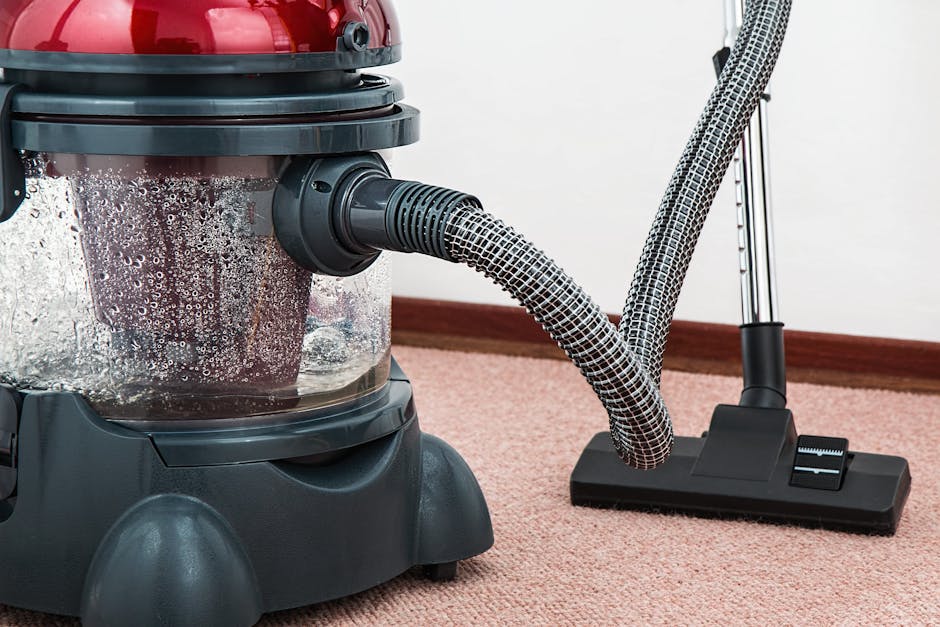
Carpet cleaning for South Acton estate flats is one of those jobs that looks simple from the outside, then turns into a small puzzle once you factor in shared entrances, narrow stairs, lift access, drying time, pets, tenancy deadlines, and the general "real life" of estate living. If you've ever tried to shift a hoover past a buggy, or noticed a damp smell lingering after a rainy week, you'll know exactly what I mean.
This guide explains what effective carpet cleaning looks like in South Acton estate flats, how it works, who needs it, and how to choose the right approach without wasting time or money. You'll also find a practical checklist, a comparison of cleaning methods, and a few honest tips that save hassle later. Simple enough. Not always easy, though.
Why carpet cleaning matters in South Acton estate flats
Estate flats tend to see a lot of foot traffic in a small footprint. That means dirt gets tracked in faster, fibres flatten more quickly, and everyday marks show up sooner than they would in a larger house. A hallway runner in a ground-floor flat may pick up soil from the pavement; a lounge carpet might hold onto cooking smells, dust, pet hair, or the faint scent of wet shoes after a typical London drizzle.
There's also the shared-building factor. In many estate blocks, carpets do not just affect the room they're in. They affect the feel of the whole flat. A clean carpet makes a compact space seem lighter, fresher, and more cared for. A neglected one does the opposite, and very quickly.
For tenants, carpet condition can matter at the end of a tenancy. For owners, it affects everyday comfort and long-term wear. For landlords and managing agents, it helps maintain standards between occupancies and reduces the chance of avoidable complaints. If you're also dealing with wider property upkeep, services like communal area cleaning and deep cleaning can make a real difference to the overall impression a building gives.
Expert summary: In estate flats, carpet cleaning is not just about appearances. It helps protect flooring, improve indoor freshness, support tenancy checks, and keep smaller spaces feeling genuinely liveable.
How carpet cleaning works in flats and shared buildings
Good carpet cleaning starts with identifying the fibre type, the level of soiling, and any stain risks. That sounds technical, but it's really just about matching the method to the carpet. A wool blend behaves differently from synthetic pile. A hallway with ground-in grit needs a different approach from a bedroom carpet with a couple of spill marks. One size does not fit all, and anyone telling you otherwise is probably hoping you won't ask questions.
In most flats, the process usually follows a similar pattern:
- Inspection - the cleaner checks fibre type, wear, stains, access, and drying space.
- Dry soil removal - vacuuming removes loose grit and debris before moisture is introduced.
- Pre-treatment - targeted solutions are applied to marks, traffic lanes, and problem areas.
- Main cleaning - the chosen method lifts embedded dirt from the fibres.
- Spot treatment - stubborn stains or odours may need a second pass, especially where pets are involved.
- Grooming and drying - the carpet is brushed or raked where suitable, then left to dry with airflow.
In smaller flats, drying matters as much as the cleaning itself. If a carpet stays wet too long, you can end up with lingering odour or re-soiling from foot traffic. That's why planning the timing around open windows, heating, and access is so useful. If you're looking for a more intensive option, steam carpet cleaning is often chosen for deeper extraction, while stain removal can be added for marked areas that need special treatment.
Some flats also benefit from combining carpet care with nearby soft furnishing work. For example, if the lounge carpet smells faintly stale, the issue may actually be coming from a sofa or curtains. In that case, sofa cleaning or curtain cleaning might be part of the sensible solution, not just an extra.
Key benefits and practical advantages
The obvious benefit is that carpets look better. But in estate flats, the practical gains go further than that. Cleaner carpets can improve the feel of the entire home. They can also make day-to-day cleaning easier because dust and grit are less likely to settle into fibres.
- Better appearance: Rooms look fresher and brighter, especially in compact flats where natural light may already be limited.
- Improved comfort: Clean fibres feel softer underfoot, which you notice straight away on a cold morning.
- Reduced odours: Spills, pet smells, and trapped damp can be reduced when treated properly.
- Longer carpet life: Removing abrasive dirt helps prevent wear in busy routes like hallways and living rooms.
- Tenancy readiness: A professionally cleaned carpet often supports a smoother move-out or move-in process.
- Healthier indoor environment: Regular vacuuming plus periodic deep cleaning can reduce the build-up of allergens, dust, and hidden grime.
There's a nice knock-on effect too. Once carpets are cleaned, the rest of the flat tends to look more presentable. It's a bit annoying how that works, but it does. Fresh carpet makes skirting boards, furniture, and even windows seem less tired. If your flat is part of a wider clean-up, services like house cleaning or domestic cleaning can help bring everything into line.
Who this is for and when it makes sense
Carpet cleaning for South Acton estate flats makes sense for a wide range of people, not just landlords or tenants with a deadline. In fact, the most sensible time to book is often before a problem becomes obvious.
Typical situations include:
- tenants preparing for checkout or a new tenancy
- landlords refreshing a flat between occupancies
- leaseholders wanting to protect the flooring they already own
- families with pets, children, or frequent visitors
- older residents who want the flat to feel cleaner without replacing flooring
- managing agents handling standards in a block of flats
It's also worth considering after a particular event: a spill, a wet winter, decorating work, moving furniture, or a period of heavier use. If there's been renovation dust or sanding debris, a standard vacuum is not enough. In those cases, a proper one-off cleaning visit can be a more realistic choice than trying to patch things up yourself on a Sunday afternoon.
For people moving in or out, carpet cleaning often works best alongside move-in cleaning or move-out cleaning. And if the tenancy agreement has specific expectations, combining it with end of tenancy cleaning can save back-and-forth later. That last bit is worth its weight in stress relief, honestly.
Step-by-step guidance
If you want a sensible approach rather than guesswork, follow this sequence. It's straightforward, but each step matters more than people think.
- Walk through the flat first. Look for the heaviest wear areas, visible staining, pet zones, and places that smell slightly musty.
- Check access. Note stairs, lift availability, parking, and whether hose routes or equipment movement could affect neighbours.
- Vacuum thoroughly. A proper vacuum pass removes loose particles that would otherwise turn to mud once moisture is added.
- Identify fabric risks. Some carpets respond well to hot water extraction, while others need a gentler treatment.
- Pre-treat stains. Apply targeted solution to spots, then allow enough dwell time for it to work.
- Clean the main area. Use the appropriate method, working methodically in sections.
- Address odours separately if needed. A stain and an odour are related but not always identical problems.
- Dry the carpet properly. Open windows where possible, use airflow, and avoid rushing back onto the carpet too soon.
- Inspect the result. Check corners, edges, and traffic lanes. Those little bits are where issues hide.
If a flat has a mix of surfaces, it can help to clean everything in a sensible order. Carpets first, then upholstery, then hard flooring. That way, you avoid stepping dirt back onto freshly cleaned fibre. If you need a broader reset, hard floor cleaning can be useful for kitchens, hallways, and entrance zones where carpet isn't practical.
Expert tips for better results
After enough flats, you begin to notice the same small things make the biggest difference. Nothing glamorous. Just the basics done properly.
- Vacuum slowly, not hurriedly. A rushed pass leaves grit behind, especially near edges and under furniture.
- Don't over-wet the carpet. Too much moisture can lead to long drying times and a stale smell.
- Deal with stains sooner rather than later. A fresh spill is far easier to remove than one that has bonded into the fibres.
- Think about airflow. Open windows on a dry day, or use fans if the flat is stuffy.
- Move lightweight items first. Chairs, side tables, and mats can hide dirt or block treatment.
- Be careful with DIY spot cleaners. Some supermarket products are fine; some leave residue that attracts more dirt. Slightly annoying, but true.
- Match the method to the carpet, not the other way round. Wool, synthetic, and blended fibres each have different tolerance levels.
A small real-world tip: if the flat has a hallway that sees shoes every day, clean that section last only if it will be immediately protected. Otherwise, you'll undo half your work just by walking back and forth. Not ideal.
Common mistakes to avoid
Most carpet problems in estate flats are not dramatic disasters. They're small mistakes repeated over time. The good news is that most are avoidable.
- Using too much detergent. Residue can make carpets feel sticky and attract new dirt.
- Cleaning without vacuuming first. That just moves loose grit around.
- Ignoring access issues. Heavy equipment through tight communal areas can create hassle for everyone.
- Scrubbing stains aggressively. This can distort fibres and spread the mark further.
- Leaving drying too long. A flat with poor airflow can stay damp longer than expected.
- Forgetting about nearby soft furnishings. Sometimes the carpet is innocent and the smell is coming from the sofa.
- Waiting until checkout week. That's when you are most likely to feel rushed and make poor decisions.
If a stain is unknown, treat it cautiously. Grease, food dye, pet accidents, and drinks all behave differently. A one-method-fixes-all attitude rarely ends well. If you're dealing with a strong smell or repeated pet issues, pet stain odour removal is often more suitable than basic spot cleaning alone.
Tools, resources and recommendations
You do not need a van full of kit to maintain carpeted flats, but the right tools make the job a lot easier. For regular upkeep, a decent vacuum with strong edge pickup is the first priority. For spot treatment, keep a clean white cloth, a gentle neutral cleaner, and a separate cloth for drying.
Useful items to have on hand:
- vacuum cleaner with upholstery and crevice attachments
- white microfibre cloths or clean cotton towels
- soft brush for lifting pile after cleaning
- plain spray bottle for light application
- door mat or shoe mat to reduce future soil transfer
- box fan or similar airflow aid for drying
When hiring help, ask sensible questions rather than just chasing the lowest price. What method will they use? How do they handle stains? What drying time should you expect? Are they insured? These are boring questions, but boring questions save problems later. If you want to understand how pricing is usually handled, the most relevant starting point is pricing and quotes. If you're checking trust and accountability, take a look at insurance and safety and the company's health and safety policy.
Law, compliance, standards and best practice
For most residents, carpet cleaning is a practical home-care task rather than a heavily regulated activity. Even so, there are sensible standards that matter in flats, especially where communal access, tenancy agreements, and shared responsibilities are involved.
Best practice usually means:
- working safely in communal areas and avoiding blocked exits
- taking care with electrical equipment and water use
- protecting flooring, walls, and shared hallways during transport
- following tenancy or lease conditions where they specify cleaning expectations
- being honest about what a carpet can and cannot recover from
There is also a useful human standard here: communicate clearly. If you live in an estate flat and a cleaner needs to come through a shared corridor or lift, give neighbours a bit of notice if possible. It keeps everyone calmer. And calm buildings are easier to work in, plain and simple.
For service providers, insurance, clear terms, privacy, and complaint handling all matter too. If you are checking a company before booking, pages such as about us, terms and conditions, privacy policy, and complaints procedure help show how they operate. Sustainability can matter as well, especially if you prefer cleaning choices that reduce waste and unnecessary product use; in that case, recycling and sustainability is a useful page to review.
Options, methods and comparison table
Different flats need different approaches. If you choose the wrong method, you can spend more and still not get the result you wanted. Here's a simple comparison.
| Method | Best for | Strengths | Limitations |
|---|---|---|---|
| Vacuuming only | Routine maintenance | Fast, cheap, and essential for daily upkeep | Will not remove deep stains or embedded soil |
| Spot treatment | Small fresh stains | Good for isolated marks, quick response | Can leave rings or residue if used badly |
| Hot water extraction / steam carpet cleaning | Heavier soiling, tenancy refresh, deep clean | Lifts embedded dirt and can improve freshness | Needs proper drying time and careful fibre matching |
| Low-moisture cleaning | Flats where fast drying matters | Quicker turnaround, less dampness | May be less effective on deep, set-in dirt |
| Combined soft furnishing cleaning | Odour or general freshness issues | Addresses carpets plus sofas or rugs together | Can cost more, though often better value overall |
When deciding, ask yourself one practical question: what is the real problem? If it is just day-to-day dust, routine cleaning may be enough. If it is a checkout condition, a pet accident, or a flat that feels flat-out tired, a deeper clean is usually the smarter move. For loose rugs, rug cleaning can also be paired with the main carpet work so everything feels consistent.
Case study or real-world example
Imagine a two-bedroom estate flat in South Acton with a hallway, lounge, and one carpeted bedroom. The tenant has lived there for three years. The carpet looks okay at a glance, but the hallway is darker from foot traffic, the lounge has a faded tea mark near the armchair, and the bedroom carries a faint smell that becomes obvious when the windows stay shut overnight.
The sensible approach is not to attack everything with the same cleaner. First, the carpet is inspected for wear and fibre type. The hallway gets extra attention because that's where the soil is concentrated. The tea mark is pre-treated. The smell is checked against the sofa and curtains, because sometimes the carpet gets blamed for what the room as a whole is holding onto. In this type of situation, a combined clean can be more efficient than handling the floor in isolation.
After cleaning, the flat feels different. Not "show home" different. Just noticeably fresher, lighter, and less tired. That's the real win. You notice it when you walk in with your keys and the air smells clean instead of old carpet and radiator heat.
Practical checklist
Use this before you book, or before you start cleaning yourself.
- Identify which rooms have carpet and which do not.
- Check for stains, odours, and heavy traffic areas.
- Vacuum thoroughly before any wet cleaning.
- Confirm access to the flat, lift, or stairs.
- Move light furniture if safe to do so.
- Test any product on an inconspicuous area first.
- Choose a method suited to the carpet fibre.
- Allow enough drying time before normal use.
- Inspect edges, corners, and under furniture.
- Plan future maintenance so the result lasts longer.
If you want a wider reset, it can also make sense to bundle carpet cleaning with regular cleaning, house cleaning, or mattress cleaning. That depends on the flat, of course, but bundled care can be a lot more practical than dealing with each surface separately over several weekends.
Get a free quote today and see how much you can save.
Conclusion
Carpet cleaning for South Acton estate flats is really about making compact living spaces feel cleaner, easier to maintain, and more pleasant to come home to. In a flat, every bit of dirt seems to matter more. Every smell lingers a little longer. Every shortcut shows itself quickly. So the right cleaning approach is not just nice to have; it's part of keeping the place working properly.
Whether you are preparing for a tenancy change, dealing with pet stains, refreshing a tired hallway, or simply wanting the flat to feel less worn around the edges, the best results come from choosing the right method, drying properly, and paying attention to the small details. Not fancy. Just careful.
And sometimes that's enough to make the whole place feel like yours again.
Frequently Asked Questions
How often should carpet cleaning be done in South Acton estate flats?
It depends on use, but many flats benefit from a deeper clean every 6 to 12 months, with regular vacuuming in between. Higher-traffic homes, pets, or children may need attention sooner.
Is steam carpet cleaning safe for flat carpets?
Usually yes, provided the carpet fibre is suitable and the drying time is managed properly. A good cleaner will check the material first rather than guessing.
What if my flat has a strong pet smell?
Pet odours often need more than basic surface cleaning. A targeted approach such as pet stain odour removal is often more appropriate, especially if the smell has settled into underlay or nearby soft furnishings.
Can I clean an estate flat carpet myself?
Yes, for light maintenance and small fresh spots. But for deep soil, tenancy cleaning, or persistent stains, DIY methods can make things worse if too much product or water is used.
Will carpet cleaning remove all stains?
Not always. Some marks are permanent or have already oxidised into the fibres. A professional approach improves the chances, but honesty matters here, and no one should promise miracles.
How long do carpets take to dry in a flat?
Drying time varies with the method used, ventilation, room temperature, and pile thickness. Good airflow makes a big difference, and smaller flats can sometimes dry slower if windows stay closed.
Do landlords expect carpets to be professionally cleaned?
Sometimes, especially at the end of a tenancy, but the exact requirement depends on the tenancy agreement and the carpet's condition. It is always worth checking the paperwork carefully.
What is the best method for busy hallway carpets?
Hallways usually need a thorough deep clean because they collect grit and wear quickly. Hot water extraction or a similarly effective method is often chosen for these areas.
Can carpet cleaning help with allergies?
It can help reduce dust and debris trapped in fibres, especially when combined with regular vacuuming. That said, it is not a medical treatment, so it should be seen as one useful part of a cleaner indoor environment.
Should I clean carpets before or after moving furniture?
If possible, move small, safe items before cleaning so the full carpet can be reached. Heavy furniture should be handled carefully, and sometimes it is better left in place if moving it risks damage.
Is it worth cleaning carpets in a small one-bedroom flat?
Absolutely. In smaller flats, carpets cover a larger share of the living space, so cleaning them can transform how the home feels. The difference is often more noticeable than people expect.
How do I choose a good carpet cleaning service?
Look for clear explanations, sensible methods, proper insurance, and transparent pricing. It helps if the company also provides helpful information about service quality and policies, not just a vague promise that everything will be fine.